
Discovering Tailored Design: Creating Homes That Reflect You
- Sep 2, 2025
- 5 min read
When I walk into a home for the first time, I’m not just looking at the architecture, layout, or finishes. I’m paying attention to how it feels. Is it inviting? Does it flow? Does it support the life being lived inside? More often than not, I can sense the story the homeowner wants to tell — even before they can put it into words.
That’s where my work begins. Before there are swatches, sketches, or furniture plans, there’s listening. I spend the first part of every project understanding my clients at a deeper level: their routines, frustrations, aspirations, and even the memories they’d like to recreate. This is the foundation of our work together — the starting point that allows me to develop a vision for their home that feels 100% tailored to them.
Because I believe great design isn’t just about decoration. It’s about creating a home that feels intuitive, functional, and unmistakably yours.
What Tailored Design Really Means
Tailored design is about asking the kinds of questions that get below the surface:
What about this space did you first fall in love with?
How do you want people to feel when they walk in the front door?
What challenges in your current home do you never want to repeat?
The answers shape every design decision. A compact coastal beach house might need highly durable finishes and smart storage solutions. A canyon home may require careful planning around light, privacy, and flow. A large family home likely needs to prioritize wide-open communal spaces for life and entertaining alongside intimate areas to retreat and recharge.
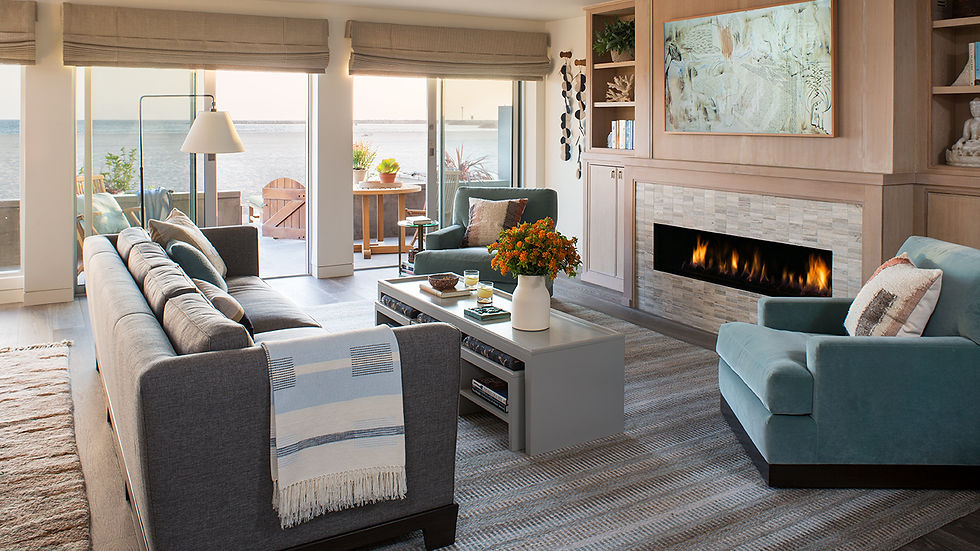
Some of the tools I use to tailor a space include:
Space planning: Arranging flow so movement feels effortless.
Material selection: Balancing beauty and practicality with choices that last.
Lighting design: Layering light to create warmth, function, and mood.
Acoustic design: Shaping how sound moves to create both privacy and atmosphere.
Indoor–outdoor flow: Connecting interiors with doors, patios, and outdoor spaces for seamless living.
Custom storage: Designing solutions that reflect real routines, from beverages to pantries to pool floats.
Personalization: Weaving in art, heirlooms, and custom details that make a space feel personal and alive.
Sensory details: Layering texture, touch, and even sound (think gurgling fountains to drown out road noise) for a fully lived-in experience.
Tailoring is never about imposing a style. It’s about uncovering yours, then shaping the home so it reflects the life you want to live.
Why Personalization Matters
When a design is truly tailored, it does more than look good — it works beautifully too. The home feels like it was waiting for you all along. It turns routine into ritual and transforms the ordinary into something memorable.
In practice, that often shows up through benefits like these:
Functionality that feels invisible and effortless: Every space simply works.
Comfort that feels natural: Design that anticipates your routines so you can focus on life.
A look that feels personal: Not borrowed from Pinterest, but grounded in your story.
Sustainability and longevity: Thoughtful choices that stand the test of time.
Lasting value: A home that enhances your life today and continues to evolve with you.

One client’s kitchen, for example, wasn’t just “redesigned” — it was reshaped to support how they gather, cook, and entertain. A custom island became the hub of connection, specialized storage reflected their habits, and the lighting transformed seamlessly from morning coffee prep to homework zone to holiday entertaining buffet. That wasn’t about a look or style — it was about making their daily life easier, richer, and more joyful.
What would change for you if every detail of your home was designed with your life — and not just aesthetics — in mind?
The First Step Toward a Tailored Vision
If you’re considering redesigning your home, the most important step is the first one: clarity. That’s why I begin every project by building a deep understanding of what matters most.
I want to know: What’s the one space in your home that could change everything if it worked better? What’s the one feeling you want to have every time you open your front door?
This is how a tailored vision begins. By grounding the design in your values and lifestyle, the process becomes less about choices and more about alignment. The result is a design that doesn’t just look like you — it feels like you.
Practical Ways to Start Thinking About Tailored Design
If you’re beginning to imagine what this might look like in your own home, here are a few questions to guide your thinking:
Define your goals: What do you want your space to do for you — host, restore, or both?
Assess your space: Notice what works well now and where frustrations arise.
Gather inspiration: Pay attention to spaces that move you, wherever you find them. This doesn't necessarily need to be images, but just as importantly, places and experiences that have made you think "now this is how I want to live."
Clarify your priorities to inform your level of investment: What matters most to you — quality, time, or flexibility? Is this your forever home, or is this a stepping stone?
These reflections create the starting point for design that feels both personal and practical.

Every Home Has a Story
Some of my favorite projects have been the ones where the design wasn’t obvious at first. A family home in an intimate California bungalow that needed to balance togetherness and privacy. A hillside retreat where cozy comfort mattered as much as the 100-mile views. A large home in the Pacific Palisades where materials had to be as resilient as they were beautiful.
In each case, the work began with listening. And in each case, the result was a home that reflected the people inside it — their values, personalities, and daily rhythms.
What would it feel like to come home to a space that was unmistakably yours — practical, beautiful, and designed for the life you want to live?
Tailored design isn’t about following trends or chasing luxury. It’s about empathy, listening, and precision — the right foundation for creating a home that reflects where you’ve been, where you are, and where you’re going.
How would your home — and the way you live in it — change if every detail was designed around you from the very start? When you're ready to bring that story to life — Patrick Ediger Interior Design is here to help.
XO
PE


Comments